the problem
Fusarium is one of the main fungal diseases of wheat. It infects the ear in the field, often at flowering, weeks after the seed treatment has done its job. It leaves behind mycotoxins, and the best known is DON (deoxynivalenol), also called vomitoxin.
In high doses DON causes nausea and vomiting; long-term exposure can affect the gut and the immune system. It is invisible, has no smell or taste, and survives baking. That is why the EU limits it (Regulation (EU) 2024/1022):
- aunprocessed wheat · 1000 µg/kg
- bflour · 600 µg/kg
- cbread and bakery products · 400 µg/kg
- dbaby food · 150 µg/kg
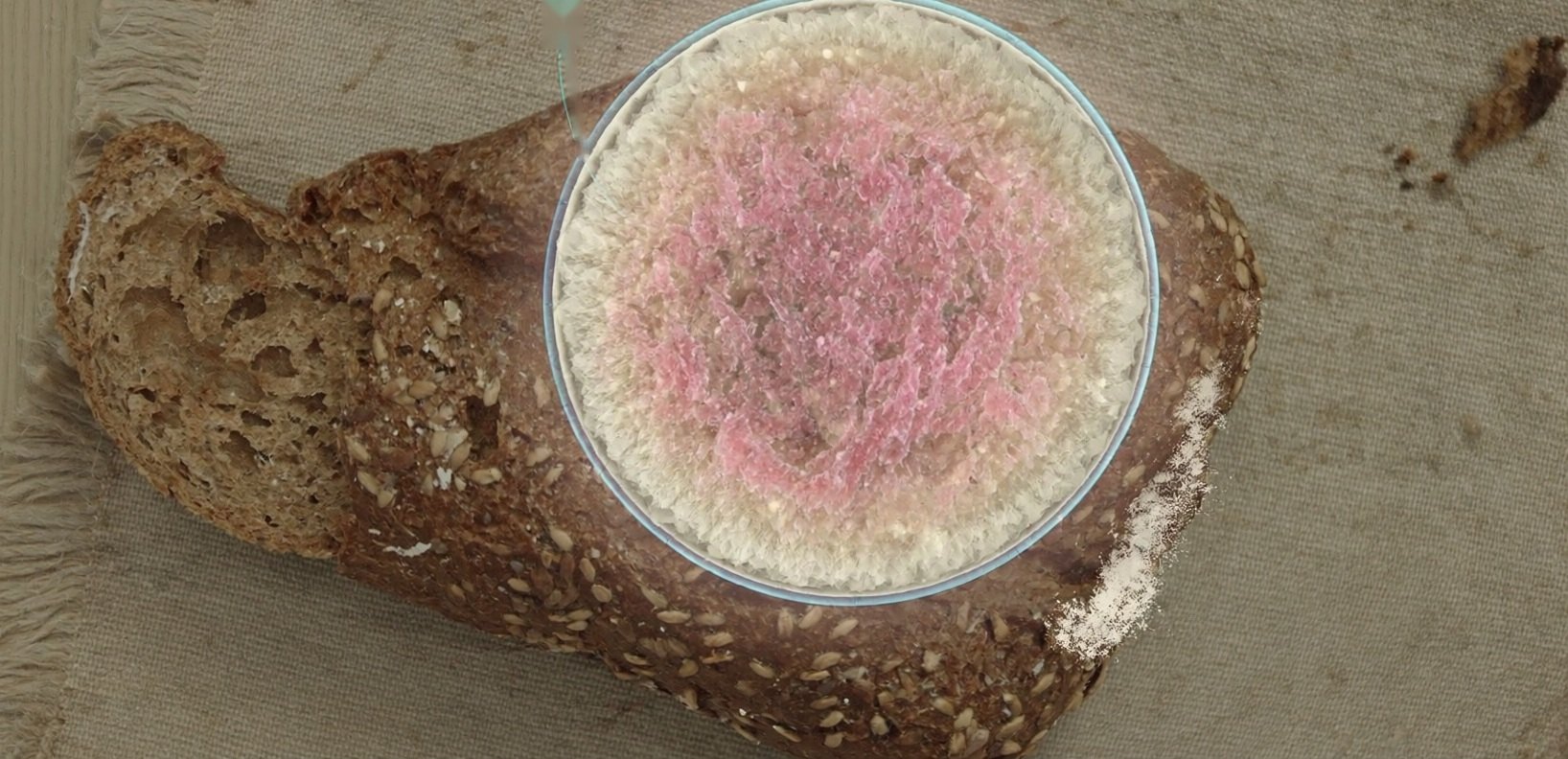
illustration · AI-generated
what they did
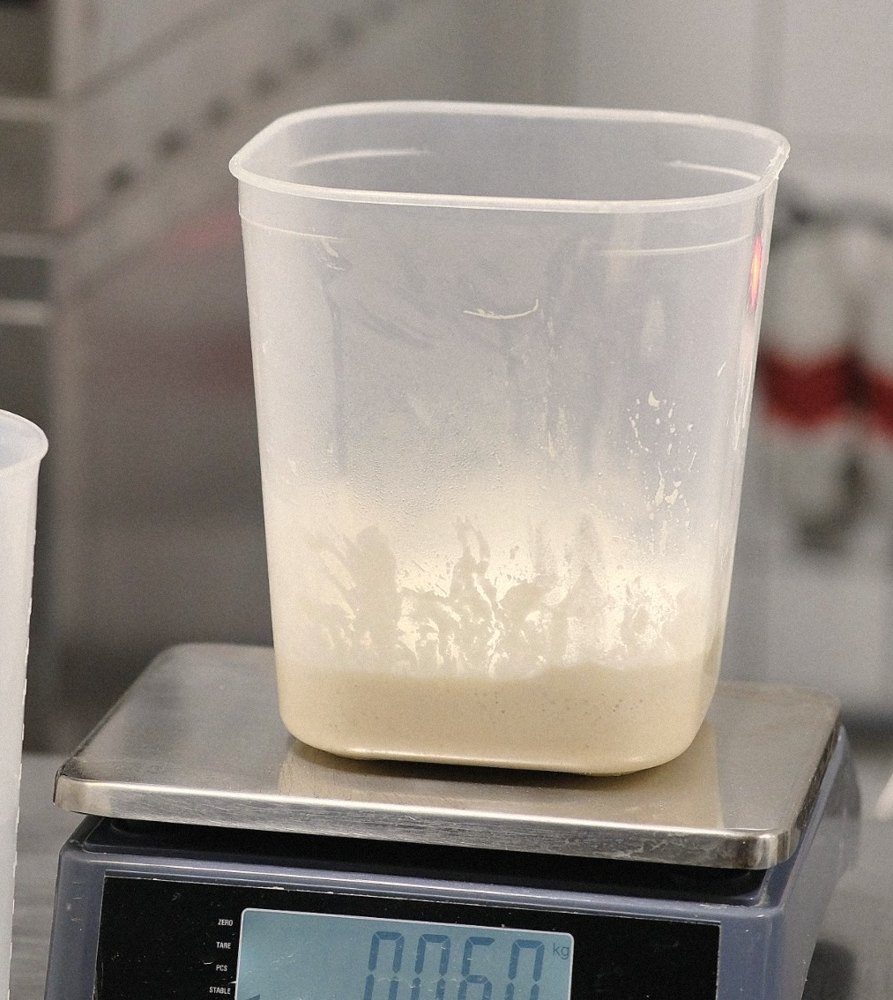
Researchers from the universities of Bari, Turin and Rome took wholegrain wheat flour that was naturally contaminated: 1270 µg/kg of DON, more than twice the limit for flour. They fermented it with 19 strains of lactic acid bacteria isolated from sourdoughs, at 25, 30 and 37 °C, for 24 and 48 hours, and measured how much toxin was left.
what they found
- aThe best three strains (Pediococcus pentosaceus, Lactiplantibacillus plantarum, Limosilactobacillus fermentum) cut DON by about half in 48 hours: from 1270 to 567–680 µg/kg. One of them brought it below the EU limit.
- bFlour and water fermenting on their own barely changed it. It's the bacteria, not just time.
- cThe same bacteria also lowered other Fusarium toxins, such as moniliformin and enniatins, by up to about half.
- dHeat-killed bacteria removed less toxin. Part of the effect is the toxin binding to bacterial cell walls, not only being broken down.
my comment
As an agronomist who studied plant protection, I know how hard Fusarium is to control. Seed treatment protects the seedling, not the ear at flowering. Rotation, resistant varieties and field care help, but a wet spring can still bring contaminated grain to the mill. Seeing a biological tool that lowers the toxin without adding more chemistry is genuinely exciting.
For me this confirms what bakers have long suspected: the bacterial life in fermented dough really changes what ends up in your bread. And a sourdough starter is exactly that, a living culture of these bacteria.
The honest part: this is lab dough, not bread yet, and it measures less extractable toxin, not a proven full detox. Every starter has its own microbiome, so yours won't necessarily do the same. Promising, not magic.
what to do with it
- aBuy flour, especially wholegrain, from mills you trust: they test their grain for DON.
- bStore flour and grain dry and cool. Damp storage invites new mould.
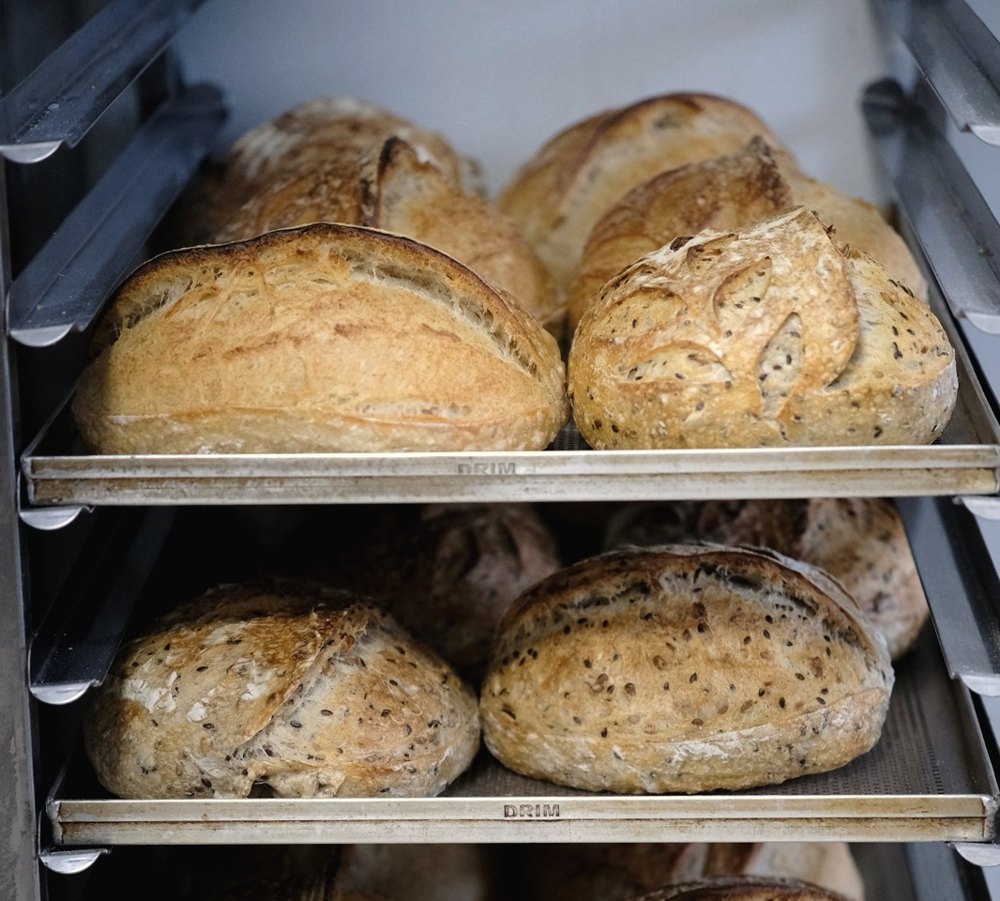
- cKeep your long sourdough fermentation. It won't replace clean grain, but it may help, and it does other good things too.
and the same bacteria also
- 01break down phytic acid, so minerals like iron and zinc are easier to absorb
- 02make the bread more acidic, which keeps mould away longer without preservatives
- 03often give a gentler blood-sugar response than yeasted bread